Cristiano Sanchez
Advertisements
This article is about how to improve your credit score in Nigeria today. Credit scores have become an important element in deciding an individual’s financial destiny in Nigeria’s quickly changing financial landscape.

Access to more inexpensive loans, reduced interest rates, and even better job chances can be gained with a high credit score.
However, a low credit score might result in limited access to credit facilities and financial exclusion.
Advertisements
Credit scoring is becoming more and more popular in Nigeria, so it’s important to understand the specifics and learn how to raise your creditworthiness.
By learning how to check your credit score, you can better understand the dynamics of getting a loan in Nigeria.
As stated earlier, your credit score plays a major role in determining your eligibility for credit cards, loans, and other types of credit.
Advertisements
While a low credit score might restrict your borrowing alternatives and drive up your borrowing expenses, a high credit score can allow you access better rates, greater loan amounts, and more favourable payback conditions.
We will cover techniques and pointers for increasing your credit score in Nigeria as we proceed in this blog article so you can get the credit you need to meet your financial objectives. Let’s dive in!
HOW TO IMPROVE YOUR CREDIT SCORE IN NIGERIA
The following are 5 ways to improve your credit score in Nigeria this 2026:
KNOW YOUR CREDIT SCORE
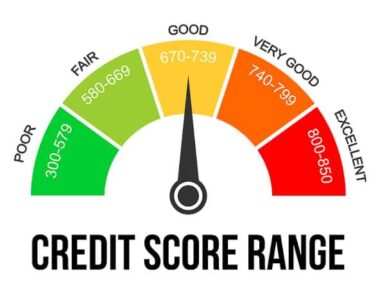
Knowing what your credit score is and how it is determined is the first step towards improving it.
Your credit score is a numerical assessment of your creditworthiness that is based on a number of variables, including debt-to-income ratio, income, and work status, in addition to your credit history.
Higher scores denote better creditworthiness. Credit bureaus offer credit reports and scores to both individuals and companies.
EXAMINE YOUR CREDIT REPORT FOR MISTAKES
After having an understanding of your credit score, it is very important to review your credit report to look for any mistakes or inconsistencies that might be lowering it.
Inaccurate personal information, irrelevant account information, and fraudulent accounts or activity are examples of common mistakes.
You can dispute any errors you see on your credit report with the credit bureau or the offending creditor to have them removed or fixed.
ENSURE TIMELY PAYMENT OF YOUR BILLS
Your payment history is one of the key elements that determines your credit score.
Your credit score can be severely impacted by late or missed payments, which can remain on your record for up to seven years.
Paying your bills on time each month will help you raise your credit score. This includes utility, loan and credit card payments.
BUILD A POSITIVE CREDIT HISTORY
A long and good credit history can also raise your credit score.
This entails demonstrating a history of prudent borrowing and repaying, which includes on-time bill payment, little credit utilisation, and a lack of defaults, bankruptcies, or other adverse credit report marks.
To build a good credit history when you are first starting out, think about asking for a small loan or credit card and utilising it sensibly.
AVOID OPENING TOO MANY NEW CREDIT ACCOUNTS
Although having many different types of credit accounts can help your credit score, opening too many new credit accounts in a short period of time will lower your score.
This is due to the fact that every time you apply for a new credit card, your credit report receives a hard inquiry that may temporarily drop your score.
Applying for credit should only be done when necessary, therefore space out your applications over a period of time to avoid this.
CONCLUSION
It takes a combination of careful borrowing, prompt payments, and attention to detail to raise your credit score in Nigeria.
You can take charge of your credit and obtain the loans and credit cards you need to meet your financial objectives by being aware of your credit score.
Also, reviewing your credit report for errors, paying your bills on time, maintaining a low credit utilisation rate, establishing a positive credit history, and refraining from opening an excessive number of new credit accounts all count towards keeping your credit score healthy.
Advertisements


 Cristiano Sanchez