 Cristiano Sanchez
Advertisements
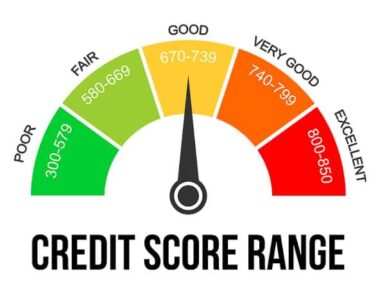
This article is about how to check loan credit score in Nigeria this 2026. Credit scores are a representation of your creditworthiness; a good score, usually 700–850, indicates that you repay your loans on time.

A bad credit score which is usually below 600 indicates that you do not repay your loans on time, and that lenders should be cautious about granting you credit because you are most likely to default.
Credit scores are a number that typically ranges from 300 to 850. Your credit score is always listed on your credit report.
Advertisements
This report also includes your personal information (such as your name, address, date of birth, etc.), bank verification numbers (BVN), national identity number (NIN or another form of identity), credit oayment profile, credit account information, conditions for credit (that is initial debt and outstanding balance), as well as other public records.
Credit scores are used by parties other than lenders. Your credit score can be used by creditors, landlords, employers, and other approved financial organisations registered with the credit bureau to decide whether to offer you credit facilities such as credit cards, loans, or credit in general.
Since credit scores are important, particularly for those who use credit, it’s essential to periodically check credit reports to make sure they are accurate, to find out what needs to be done to raise a score, or to find out if there is any fraudulent activity occurring on their accounts.
Advertisements
HOW TO CHECK CREDIT SCORE IN NIGERIA 2024
The following is a comprehensive guide on how to check credit score in Nigeria this 2026:
REGISTER WITH A CREDIT BUREAU
A credit bureau is a company that compiles credit data on people and companies in order to create a credit report.
Lenders may then purchase this report and utilise it to assess each applicant’s creditworthiness.
REQUEST A CREDIT REPORT
You can obtain your credit report, which includes your personal details and credit history, including debts, payment patterns, and credit utilisation, by registering with a credit bureau. A few criteria for requesting a credit report are as follows:
- Personal Details (Your Name, Address, date of birth, etc.)
- Bank Verification Number (BVN)
- National Identity Number (NIN, or any other valid means of identification)
- Payment details: You must include payment details if the credit bureau charges a fee for credit reports.
Your credit score is automatically included in your credit report as it is derived from the data that is obtained from the report.
CHECK YOUR CREDIT SCORE
Your score will appear on the dashboard as soon as your report is complete, and you can quickly ascertain if it is poor, fair, good, very good, or exceptional using the scale that each bureau has supplied.
The scale typically ranges from 300 to 850. This score is produced using the entirety of your credit history that is now accessible to all Nigerian banks, creditors, lenders, and other financial organisations.
CHECK FOR ERRORS ON YOUR CREDIT REPORT
Following a review of your credit score, the next step is to carefully confirm that all of the transactions and information on the report are yours.
This is important because every single credit-related item in your report has an impact on your credit score; therefore, if there are any errors or incomplete information in your report, you can dispute them and have them corrected by going through the bureau’s dispute procedure.
Error-checking also helps to guarantee that your credit score accurately reflects your credit history.
UNDERSTAND HOW CREDIT SCORES ARE USED
It is highly suggested for you as a client to be in charge of your credit activity. In order to accomplish this, you need to understand what a credit score is and how it is used by lenders, creditors, and other legitimate businesses to make credit choices that affect you.
Your credit score can even be accessed by employers and landlords who use it to decide whether to provide you a job or a rental. This is the significance of credit scores.
A strong credit score can help you gain the trust of financial institutions, which can lead to better credit facilities, advantageous rates, and terms because these organisations are certain that you will repay the facilities on schedule.
This is because credit scores are an assessment of risk. For this reason, knowing how to raise your scores or keep them high will help you get better loan terms.
IMPORTANCE OF CREDIT BUREAUS IN NIGERIA
The following are the importance of credit bureaus in Nigeria:
- Compile credit data on your behalf in order to potentially enable you to obtain loans without requiring collateral.
- Keep you safe from fraud by tracking down unauthorized people who could try to buy products or use your identity to open bank accounts and obtain loans in your name.
- Give Nigerians credit scores that are higher for responsible use of credit facilities, enabling them to take advantage of additional financial opportunities.
Advertisements


 Cristiano Sanchez



1 comment
Very informative, it was really helpful.