Cristiano Sanchez
Advertisements
In Nigeria, entrepreneurship is a key driver of economic growth, but many small business owners face challenges securing the funds they need to grow or sustain their operations.

This article offers a step-by-step approach on how to get a small business loan in Nigeria currently in this year 2026. Let’s dive in.
WHAT ARE SMALL BUSINESS LOANS IN NIGERIA?
Small business loans are financial products designed to provide funding to entrepreneurs and small enterprises for various business purposes.
Advertisements
These loans, offered by commercial banks, microfinance institutions, online lenders, and government programs, are tailored to address the specific needs of Micro, Small, and Medium Enterprises (MSMEs).
In Nigeria today, small business loans can help fund operations, purchase equipment, restock inventory, or cover unexpected expenses.
With the right loan, you can unlock new opportunities and steer your business toward success.
Advertisements
HOW TO GET A SMALL BUSINESS LOAN IN NIGERIA 2026
The following are the step by step processes on how to get a small business loan in Nigeria this 2026:
UNDERSTAND YOUR BUSINESS NEEDS AND LOAN PURPOSE
Before you apply for a loan, it’s essential to define your business’s financial needs clearly.
Ask yourself: Why do I need a loan? Are you planning to expand operations, purchase equipment, restock inventory, or stabilize cash flow?
Identifying the purpose of the loan not only guides you to the right type of funding but also demonstrates to lenders that you are prepared and focused.
A clear loan purpose shows lenders that you’ve thought through how the funds will be utilized and how they will contribute to your business’s profitability and sustainability.
PREPARE YOUR ESSENTIAL BUSINESS DOCUMENTS
Lenders assess your business’s credibility and financial health through documentation.
To increase your chances of approval, gather all the necessary paperwork before approaching a lender.
Start with your Business Registration Certificate, which serves as proof that your business is registered with the Corporate Affairs Commission (CAC).
This document confirms your business’s legitimacy. You’ll also need a Tax Clearance Certificate, showing your compliance with Nigeria’s tax regulations.
Financial documents are important as well. Updated financial statements—including profit and loss statements, balance sheets, and cash flow projections—help lenders evaluate your business’s performance.
Recent bank statements, typically covering six months to a year, provide a snapshot of your financial transactions and stability.
Additionally, prepare a detailed business plan. This plan should outline your business model, market analysis, growth strategies, and financial projections.
A well-thought-out business plan highlights your business’s viability and assures lenders of your repayment capability.
RESEARCH LOAN OPTIONS AND LENDERS
In Nigeria, various financial institutions offer small business loans, each with unique terms and conditions. It’s important to research and identify the best lender for your business needs.
Commercial banks offer loans with competitive interest rates and larger amounts, though they often have strict eligibility requirements.
These loans are ideal for established businesses with substantial financial records.
If you’re a smaller enterprise or a startup, microfinance banks can be a better fit. They provide smaller loan amounts with more flexible repayment terms.
For quick and convenient access to funds, consider online lenders. These platforms require minimal paperwork and often have faster approval processes.
Additionally, explore government-backed schemes such as the Central Bank of Nigeria’s Anchor Borrowers’ Programme, which offers low-interest loans to SMEs.
EVALUATE LOAN REQUIREMENTS AND ELIGIBILITY
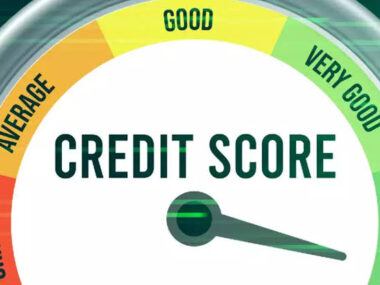
Each lender has specific criteria for loan approval. For instance, many financial institutions require you to demonstrate a strong credit history.
Paying your debts on time and avoiding excessive borrowing improves your creditworthiness.
Collateral is another consideration. Some loans are secured and require assets such as property or equipment as collateral.
Others, like Standard Chartered’s Smart Business Loan, offer unsecured loans for qualifying businesses.
Most lenders also prefer businesses that have been operational for at least six months to a year. This track record demonstrates stability and reduces the risk of default.
SUBMIT A STRONG LOAN APPLICATION
Your loan application is your first impression on the lender, so it must be thorough and professional.
Accurately fill out the application form and attach all necessary documentation, including your business registration certificate, tax clearance certificate, financial statements, and a compelling business plan.
In your application, clearly outline how the loan will benefit your business and explain your strategy for repayment.
Demonstrating your preparedness and attention to detail can significantly improve your chances of approval.
FOLLOW UP AND AWAIT APPROVAL
Once you’ve submitted your application, the lender will review your documents and assess your business’s financial health.
This process may take a few days to weeks, depending on the institution.
During this time, maintain open communication with the lender and be prepared to provide additional information if requested.
If approved, the funds will be disbursed directly into your business account.
Be sure to review the loan terms and repayment schedule carefully to avoid any surprises down the line.
TIPS TO INCREASE YOUR LOAN APPROVAL CHANCES
To enhance your chances of securing a small business loan in Nigeria, maintain a strong credit history by paying debts on time and keeping your credit utilization low.
Demonstrate the viability of your business by showcasing how the loan will contribute to growth and profitability.
Seeking professional advice from financial experts or mentors can also strengthen your application and help you present a solid case.
If rejected by one lender, don’t be discouraged—explore other options or reapply with an improved application.
CONCLUSION
Obtaining a small business loan in Nigeria is a strategic process that requires preparation, research, and persistence.
Take the time to craft a compelling application and demonstrate how the loan will benefit your business.
With the right financial support, your entrepreneurial dreams can become a reality, enabling you to thrive in Nigeria’s dynamic business environment.
Advertisements


 Cristiano Sanchez