Cristiano Sanchez
Advertisements
What is a collateral-free loan in Nigeria? You may have come across such a question before but not to worry, we will give you the details that you seek in this article.

Collateral-free loans, also known as unsecured loans, are a type of loan that does not require borrowers to provide collateral or security to secure the loan.
This means that individuals and businesses can access funds without risking their homes, cars, or other valuable assets.
Advertisements
In Nigeria today, collateral-free loans are offered by various lenders, including commercial banks, microfinance banks, fintech companies, and other financial institutions.
As we proceed, we will help you understand collateral-free loans in Nigeria, exploring what they are, how they work, and the advantages and disadvantages of using them.
We will also examine the eligibility criteria, and the application process. Let us proceed without delay.
Advertisements
COLLATERAL-FREE LOANS IN NIGERIA: HOW THEY WORK
Creditworthiness, age, income, stable job, and net worth are some of the considerations that go into granting collateral-free loans in Nigeria today.
Collateral-free loans frequently have higher interest rates up to 35% Annual Percentage Rate (APR) because they pose a greater risk to lenders.
The loan amount can be between ₦5,000 and ₦5,000,000, and there are other repayment options available, including short-term of about and long-term.
These loans are simply obtained online and provide flexible repayment terms along with fast processing.
These loans are provided by banks and fintech companies in Nigeria, to people and enterprises with good business ideas but no collateral.
Collateral-free loans tend to have high interest rates, sometimes as high as 35% APR as we stated earlier, depending on the lender and your credit history, because the lender is taking on a lot of risk.
The amount you can borrow is also determined by other factors, which could be as low as ₦5,000 or as high as ₦5,000,000.
These factors include your age, income, employment stability, net worth, and the purpose of the loan.
Your demands will determine whether the payback duration is short-term or long-term (usually between 1–5 years). There could be setup costs, ongoing expenses, and yearly payments. As a result, before applying, make sure to check with the lender.
TYPES OF COLLATERAL-FREE LOANS IN NIGERIA
Collateral-free loans in Nigeria come in various forms, catering to different financial needs and purposes. Some of the most common types of collateral-free loans in Nigeria include:
PERSONAL LOANS
Personal loans are designed for individuals who need funds for personal expenses, such as wedding ceremonies, medical bills, or home renovations. Personal loans are usually offered by commercial banks, microfinance banks, and fintech companies.
BUSINESS LOANS
Business loans are designed for entrepreneurs and small business owners who need funds to expand their businesses, purchase equipment, or cover operational costs. Business loans are usually offered by commercial banks, microfinance banks, and development finance institutions.
PAYDAY LOANS
Payday loans are short-term loans designed for individuals who need quick cash to cover emergency expenses or bridge the gap until their next salaries. Payday loans are sually offered by fintech companies and microfinance banks.
MICROFINANCE LOANS
Microfinance loans are designed for low-income individuals and small business owners who need small amounts of money to cover basic expenses or invest in their businesses. Microfinance loans are usually offered by microfinance banks and non-governmental organizations (NGOs).
HOW TO GET A COLLATERAL-FREE LOAN IN NIGERIA
Getting a collateral-free loan in Nigeria is a straightforward process, but it requires some preparation and understanding of the lenders’ requirements. Here are the steps to follow:
CHECK YOUR ELIGIBILITY
Before applying for a collateral-free loan, ensure you meet the lender’s eligibility criteria. This typically includes being a Nigerian citizen, having a stable income, being at least 18 years old, and any other requirements that are peculiar to your lender.
CHOOSE A REPUTABLE LENDER
Select a reputable lender that offers collateral-free loans in Nigeria. You can choose from commercial banks, microfinance banks, fintech companies, or development finance institutions.
Ensure the lender is licensed by the Central Bank of Nigeria (CBN) or other relevant regulatory bodies.
GATHER THE REQUIRED DOCUMENTS
You will need to provide some documents to support your loan application. These may include:
- Identification documents (e.g., national ID card, driver’s license, voter’s card or international passport)
- Proof of stable income (e.g., salary slips, bank statements, or tax returns)
- Proof of valid house address (e.g., utility bills)
- Business registration documents (for business loans).
APPLY FOR THE LOAN
Submit your application to the chosen lender, either online or in-person. You may need to fill out a loan application form, provide the required documents, and agree to the lender’s terms and conditions.
WAIT FOR APPROVAL AND LOAN DISBURSEMENT
The lender will review your application and may request additional information or documentation. If approved, the loan amount will be disbursed into your bank account.
ADVANTAGES OF COLLATERAL-FREE LOANS IN NIGERIA
Collateral-free loans offer numerous benefits to individuals and businesses in Nigeria. Some of the advantages include:
NO RISK OF ASSET LOSS
With collateral-free loans, you don’t risk losing valuable assets such as your home, car, or business equipment. This provides peace of mind and reduces financial stress.
QUICK AND EASY APPLICATION PROCESS
Collateral-free loans often have a streamlined application process, with some lenders offering instant approval and disbursement. This makes them ideal for emergency funding or urgent financial needs.
FLEXIBLE REPAYMENT TERMS
Collateral-free loans may offer flexible repayment terms, including installment payments or bullet payments. This allows you to choose a repayment schedule that suits your financial situation.
ACCESS TO CREDIT FOR ALL
Collateral-free loans provide access to credit for individuals and businesses that may not have qualified for traditional loans. This promotes financial inclusion and supports economic growth.
BUSINESS EXPANSION AND GROWTH
Collateral-free loans can help businesses expand operations, invest in new equipment, or cover operational costs. This leads to business growth, job creation, and economic development.
EMERGENCY FUNDING
Collateral-free loans are ideal for emergency funding, such as medical bills, car repairs, or other unexpected expenses.
DISADVANTAGES OF COLLATERAL-FREE LOANS IN NIGERIA
While collateral-free loans offer numerous benefits, they also come with some risks and considerations. Borrowers should be aware of the following disadvantages of collateral-free loans:
HIGHER INTEREST RATES
Collateral-free loans often come with higher interest rates compared to secured loans. This increases the total cost of the loan and may lead to debt accumulation.
STRICTER ELIGIBILITY CRITERIA
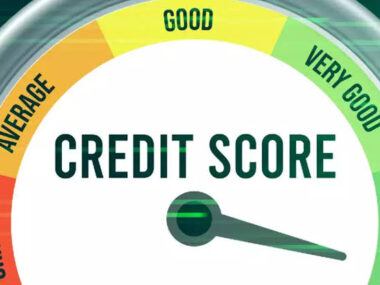
Lenders may have stricter eligibility criteria for collateral-free loans, including higher credit scores, stable income, and longer credit history.
LOWER LOAN AMOUNTS
Collateral-free loans typically have lower loan amounts compared to secured loans, which may not be sufficient for large financial needs.
SHORTER REPAYMENT TERMS
Collateral-free loans may have shorter repayment terms, which can lead to higher monthly payments and increased financial strain.
DEBT ACCUMULATION
Collateral-free loans can lead to debt accumulation if not managed properly. Borrowers should ensure they can repay the loan comfortably to avoid debt traps.
CREDIT SCORE IMPACT
Late payments or default on collateral-free loans can negatively impact credit scores, making it harder to access credit in the future.
CONCLUSION
Collateral-free loans in Nigeria offer an important financial lifeline for individuals and businesses seeking quick and easy access to funds without the risk of asset loss.
With various types of collateral-free loans available, including personal loans, business loans, payday loans, and microfinance loans, borrowers can choose the best option to suit their financial needs.
While collateral-free loans come with benefits like no risk of asset loss, quick and easy application processes, and flexible repayment terms, they also have risks and considerations like higher interest rates, stricter eligibility criteria, and debt accumulation.
It is very important for borrowers to approach collateral-free loans with caution, carefully reviewing loan terms and conditions, and ensuring responsible borrowing practices to avoid debt traps.
Advertisements

 Cristiano Sanchez