Cristiano Sanchez
Advertisements
Nigeria is a country with an ever-growing entrepreneurial spirit. From agribusiness to tech startups, many Nigerians dream of scaling their businesses, but lack the capital to do so.

Thankfully, government-backed loan programmes exist to bridge this gap. Government loans offer more accessible financing solutions for small businesses, individuals, and even students.
But how exactly do you access these funds, and what’s required of you? In this guide, we will walk you through the types of government loans available in Nigeria, the eligibility criteria, and how to apply successfully.
Advertisements
TYPES OF GOVERNMENT LOANS AVAILABLE IN NIGERIA
There are various government-backed loan schemes designed for specific sectors and needs, and they are as follows:
AGRICULTURAL LOANS
Nigeria’s economy is deeply rooted in agriculture, and the government recognizes its importance by offering several loan schemes for farmers and agribusinesses.
One notable programme is the CBN Anchor Borrowers Programme. This initiative supports smallholder farmers by providing them with loans to boost production, especially for staple crops such as rice, maize, and wheat.
Advertisements
Another prominent loan scheme is NIRSAL (Nigeria Incentive-Based Risk Sharing System for Agricultural Lending), which facilitates agribusinesses by de-risking loans to encourage commercial banks to fund the agricultural sector.
SME LOANS
Small and medium-sized enterprises (SMEs) are the backbone of the Nigerian economy, contributing significantly to job creation and GDP growth.
The Bank of Industry (BOI) offers numerous loans to help SMEs grow. One such initiative is the MSME Survival Fund, a financial aid programme aimed at helping businesses weather the challenges posed by the COVID-19 pandemic.
This fund covers payroll support, grants, and business registration assistance for small businesses.
EDUCATION LOANS
For students and educational institutions, the Tertiary Education Trust Fund (TETFUND) provides loans for infrastructure development, academic research, and student support.
While education loans are not as common as agricultural or SME loans in Nigeria, the government is working to increase the availability of student loans, particularly for students in tertiary institutions who need financial assistance.
YOUTH EMPOWERMENT LOANS
Nigeria’s youth population is vast, and empowering them through entrepreneurship is a national priority.
Programmes like the Youth Entrepreneurship Support (YES) from the BOI target young Nigerians who want to start or grow their businesses.
This loan comes with training programmes to help young entrepreneurs develop important business skills and boost their chances of success.
ELIGIBILITY REQUIREMENTS FOR GOVERNMENT LOANS IN NIGERIA
While accessing government loans can be a significant boost, there are specific requirements you must meet to qualify, and they are as follows:
GENERAL REQUIREMENTS
- Nigerian Citizenship: All government loans are limited to Nigerian citizens.
- Business Registration: If you’re applying as a business, it must be registered with the Corporate Affairs Commission (CAC).
- Taxpayer Identification Number (TIN): You must have a TIN to apply for any business-related loan.
- Clear Purpose: Whether you’re seeking funding for agribusiness, education, or a startup, a clear explanation of how the loan will be used is essential.
SPECIFIC REQUIREMENTS
- Agricultural Loans: Often require a minimum farming experience and involvement in a government-recognized farming cooperative.
- SME Loans: Require proof of an existing business with cash flow statements and financial records.
- Education Loans: Require proof of admission into a recognized tertiary institution, and sometimes guarantors.
STEP-BY-STEP GUIDE TO ACCESSING GOVERNMENT LOANS IN NIGERIA 2024
Once you know the type of loan in Nigeria that fits your needs and you meet the eligibility requirements, here are the steps to apply:
RESEARCH THE AVAILABLE LOAN PROGRAMMES
Before applying for any loan, conduct thorough research on the available programmes that align with your business or personal needs.
For instance, if you run a farm, you should focus on agricultural loan schemes like the Anchor Borrowers Programme or NIRSAL.
You must understand the loan’s requirements, repayment structure, and target audience because this is key to making the right choice.
MEET THE ELIGIBILITY CRITERIA
Every loan programme has its eligibility requirements, and meeting them is important for a successful application.
Whether it’s business registration with the CAC, providing detailed financial records, or meeting specific age criteria (for youth programmes), make sure you have all the necessary documentation before you apply.
GATHER REQUIRED DOCUMENTATION
Depending on the loan type, the required documentation may vary. For most government loans, however, you will need:
- Business registration documents (CAC Certificate)
- Taxpayer Identification Number (TIN)
- Bank Verification Number (BVN)
- Proof of income or business financial records
- A detailed business plan that explains how the loan will be used.
SUBMIT YOUR APPLICATION
Most government loans can be applied for through online portals or by visiting designated bank offices.
For example, the Bank of Industry has an online portal where you can complete your loan application. Make sure your application is error-free and that all required fields are filled.
Keep in mind that each loan programme may have specific instructions on where and how to submit your application.
FOLLOW-UP AND LOAN APPROVAL
After submitting your application, a follow-up might be necessary. Keep track of the application process through the provided portal or by contacting the loan officers.
Once your loan is approved, you’ll receive instructions on how the funds will be disbursed and the terms of repayment.
USEFUL TIPS TO IMPROVE YOUR CHANCES OF LOAN APPROVAL
Getting a government loan isn’t always easy, but following these tips can improve your chances of success:
- Proper Business Registration and Record-Keeping: Having an up-to-date CAC registration and accurate financial records show professionalism and boosts your credibility.
- Solid Business Plan: A well-crafted business plan that outlines how the loan will be used and how it will benefit your business or project is essential.
- Financial Transparency: Ensure you can provide proof of financial stability or income flow. This makes lenders more confident in your ability to repay.
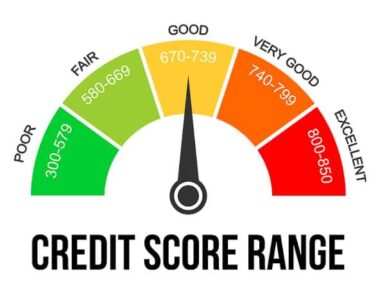
- Creditworthiness: While some government loans don’t require collateral, having a good credit history improves your chances.
COMMON CHALLENGES IN ACCESSING GOVERNMENT LOANS
Although government loans are designed to be accessible, many applicants face challenges. Here are some common hurdles:
High Competition: Due to limited funds and high demand, competition for government loans is stiff.
Bureaucratic Delays: Processing times can be long, so patience is required.
Lack of Awareness: Many Nigerians are unaware of available government loan programmes or how to apply.
Poor Financial Literacy: Inability to prepare necessary documents or a business plan can be a barrier.
CONCLUSION
Government loans in Nigeria offer a fantastic opportunity to grow your business, invest in agriculture, or even further your education.
If you understand the types of government loans available, meet the eligibility requirements, and follow the application process carefully, you will be able take advantage of these funds to realize your goals.
Advertisements


 Cristiano Sanchez