Cristiano Sanchez
Advertisements
Imagine walking into a bank or applying for a loan online, confident that you’ll get the funds you need, only to be denied without explanation.

Or perhaps you’re offered the loan but with exorbitant interest rates that make repayment almost impossible.
For many Nigerians, this is a familiar story—and at the heart of it lies an often-overlooked factor: your credit score.
Advertisements
Your credit score isn’t just a number; it’s a reflection of your financial habits and a tool lenders use to determine your trustworthiness.
Whether you’re looking to buy a house, start a business, or handle an emergency, a good credit score can be the difference between approval and rejection.
But what exactly is a credit score, how does it work, and why is it so critical in Nigeria’s financial system?
Advertisements
In this article, we’ll demystify credit scores, explore their impact on loan applications, and show you practical steps to take control of your financial future.
WHAT IS A CREDIT SCORE, AND WHY SHOULD NIGERIANS PAY ATTENTION?
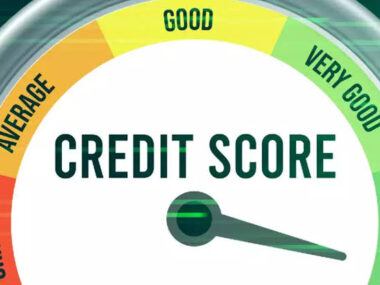
A credit score is a numerical summary of your creditworthiness. It helps lenders evaluate how likely you are to repay loans based on your financial history.
Scores range from poor to excellent, with higher scores making you more attractive to lenders.
In Nigeria, credit scores are becoming an essential part of the financial ecosystem as banks, fintech companies, and microfinance institutions increasingly rely on them to assess risk.
Yet, many Nigerians are unaware of their credit scores or how they work.
The relevance of credit scores in Nigeria cannot be overstated.
A solid credit score can give you access to better loan terms, lower interest rates, and higher borrowing limits.
On the flip side, a poor credit score can lock you out of financial opportunities or make borrowing more expensive.
HOW ARE CREDIT SCORES DETERMINED?
Your credit score doesn’t come out of thin air—it’s calculated based on specific factors that reflect your financial behavior. These include:
YOUR PAYMENT HISTORY
This is the most critical factor. Consistently paying your bills and loan installments on time shows lenders that you’re dependable.
Missed or late payments, on the other hand, negatively affect your score.
DEBT-TO-INCOME RATIO
Lenders want to know how much of your income goes toward paying off debt.
If you’re using a significant portion of your earnings to manage debt, it signals that you might struggle to handle additional credit.
CREDIT UTILIZATION RATE
This measures how much of your available credit you’re using.
For instance, if your credit card limit is ₦100,000 and you’ve spent ₦90,000, your utilization rate is 90%, which is considered too high.
Staying below 30% is ideal.
LENGTH OF CREDIT HISTORY
A longer credit history gives lenders more data to assess your financial habits.
If you’ve responsibly managed credit over many years, it’s a positive signal.
CREDIT INQUIRIES
When you apply for loans or credit cards frequently, lenders see it as a red flag.
It suggests you may be financially distressed, which can lower your credit score.
In Nigeria, organizations like CRC Credit Bureau and FirstCentral Credit Bureau collect and analyze this information to calculate your credit score.
WHY DOES YOUR CREDIT SCORE MATTER FOR LOAN APPLICATIONS?
When lenders evaluate a loan application, they assess the risk of lending to you. Your credit score plays a pivotal role in this assessment:
ESTABLISHING TRUSTWORTHINESS
A high credit score reassures lenders that you’re reliable and likely to repay your debt. This makes them more willing to approve your loan.
DETERMINING INTEREST RATES
The interest rate you’re offered often depends on your credit score.
Borrowers with excellent scores get lower interest rates, saving them money over time.
Those with lower scores, however, face higher rates to offset the perceived risk.
DECIDING LOAN AMOUNTS AND TERMS
Lenders are more inclined to offer larger loan amounts and favourable repayment terms to borrowers with strong credit scores.
A poor score can lead to reduced loan limits or stricter repayment conditions.
For example, imagine two individuals applying for a ₦1,000,000 loan.
The person with a high credit score might secure it at a 15% interest rate, while someone with a lower score could face 25% or outright rejection.
WHAT ARE THE CONSEQUENCES OF A POOR CREDIT SCORE?
If your credit score is low, you may face:
- Frequent Rejections: Banks and financial institutions may deny your loan applications outright.
- High Borrowing Costs: You’re likely to be charged higher interest rates, making loans more expensive.
- Limited Credit Options: Access to credit cards, mortgages, and business loans may be restricted.
- Financial and Emotional Stress: Repeated rejections can be disheartening and limit your ability to achieve financial goals.
These consequences highlight the importance of actively managing and improving your credit score.
HOW TO IMPROVE YOUR CREDIT SCORE IN NIGERIA
Improving your credit score is achievable with the right approach. Here’s how to get started:
PAY YOUR BILLS ON TIME
Whether it’s a utility bill, credit card payment, or loan installment, timely payments build a positive credit history.
REDUCE CREDIT UTILIZATION
Avoid maxing out your credit cards or overborrowing. Try to keep your credit usage below 30% of your available limit.
LIMIT LOAN APPLICATIONS
Submitting multiple loan applications within a short period can hurt your credit score. Apply only when necessary.
REGULARLY MONITOR YOUR CREDIT SCORE
Check your credit report from credit bureaus like CRC to identify errors or discrepancies that might affect your score.
AVOID LOAN DEFAULTS
If you’re struggling to repay a loan, discuss restructuring options with your lender instead of defaulting.
These steps, when practiced consistently, can significantly improve your credit score over time.
COMMON MYTHS ABOUT CREDIT SCORES IN NIGERIA
Myth 1: Only Big Loans Depend on Credit Scores
Reality: Credit scores influence all loans, from personal loans to business financing.
Myth 2: Checking Your Credit Score Lowers It
Reality: Reviewing your own credit score is safe and does not negatively impact it.
Myth 3: You Need a Credit Card to Build a Credit Score
Reality: Payments on loans, bills, and other financial obligations contribute to your credit score, even without a credit card.
THE FUTURE OF CREDIT SCORING IN NIGERIA
As Nigeria’s financial sector modernizes, credit scoring systems are evolving to include alternative data like mobile money transactions and utility bill payments.
This change will make credit scores more inclusive, enabling more Nigerians to access credit, even without formal banking histories.
Taking steps to improve your credit score today will help you be better positioned to navigate this increasingly sophisticated financial landscape.
CONCLUSION
Your credit score is more than just a number—it’s your gateway to financial opportunities.
From better loan terms to reduced interest rates, maintaining a good credit score gives you the leverage you need to achieve your goals.
Start by tracking your credit, paying bills on time, and managing your debt responsibly.
Every step you take brings you closer to financial stability and success.
Advertisements

 Cristiano Sanchez