Cristiano Sanchez
Advertisements
Loans have become a vital financial tool for many Nigerians, providing a means to achieve various life goals, be it education, homeownership, or business expansion.

However, the reality of repaying loans can sometimes be overwhelming, especially when circumstances take an unexpected turn.
Loan repayment challenges are not uncommon, and in the face of such hurdles, loan restructuring can be a lifeline.
Advertisements
Loan restructuring refers to adjusting the terms of an existing loan to make repayment more manageable for the borrower.
It can be an effective tool to alleviate financial pressure, prevent default, and maintain a stable financial standing.
The purpose of this writeup is to explore various loan restructuring options available in Nigeria, shed light on how they work, and guide borrowers through the restructuring process.
Advertisements
WHAT IS LOAN RESTRUCTURING?
Loan restructuring involves modifying the terms and conditions of a loan agreement to provide relief to a borrower who is facing financial hardship.
It is designed to ease the repayment burden by making the loan terms more favorable to the borrower.
This can take various forms, depending on the agreement between the lender and the borrower.
There are several common types of loan restructuring:
- Interest Rate Reduction: The lender may reduce the interest rate on the loan, lowering the monthly payments.
- Tenure Extension: The loan term may be extended, spreading payments over a longer period and thus reducing the monthly payment amount.
- Loan Consolidation: If a borrower has multiple loans, these can be consolidated into a single loan with a more favourable interest rate or extended repayment period.
- Loan Forgiveness: In rare cases, lenders may agree to forgive a portion of the loan, especially if repayment seems highly unlikely.
The key benefits of loan restructuring include reducing the financial burden, avoiding default, and improving cash flow.
For borrowers in Nigeria, these benefits can be very important, especially in light of economic uncertainties.
ELIGIBILITY FOR LOAN RESTRUCTURING IN NIGERIA
Not all borrowers are automatically eligible for loan restructuring.
Lenders usually assess an applicant’s financial situation before agreeing to restructure a loan.
To qualify for loan restructuring in Nigeria, certain conditions must be met, and they are as follows:
- Financial Hardship: Borrowers must prove that they are experiencing financial difficulty, which prevents them from meeting their loan obligations. This could be due to job loss, salary cuts, rising living costs, or unforeseen medical expenses.
- Proof of Income: Lenders require evidence of the borrower’s financial status, such as bank statements, payslips, or tax returns.
- Employment Letter: For those employed, a letter from the employer detailing any changes in salary or employment status can be important.
- Debt-to-Income Ratio: Lenders will also assess the borrower’s debt-to-income ratio, ensuring the borrower is not excessively leveraged.
Approval criteria vary between lenders, but the borrower’s willingness to repay the loan, even under adjusted terms, plays a key role in the lender’s decision.
TYPES OF LOANS ELIGIBLE FOR RESTRUCTURING IN NIGERIA
In Nigeria today, a wide range of loans can be restructured. These include:
PERSONAL LOANS
Often used for general purposes, personal loans can be restructured if the borrower faces financial difficulties. This may involve extending the loan tenure or reducing the interest rate.
BUSINESS LOANS
Businesses, especially SMEs, can restructure their loans if they experience a downturn in cash flow. This ensures businesses can keep running while managing their debt obligations more effectively.
MORTGAGE LOANS
Homeowners struggling to keep up with their mortgage payments can request a restructuring, potentially lowering monthly payments through tenure extension or interest rate adjustments.
EDUCATION LOANS
Students or parents who find it difficult to repay education loans can apply for restructuring to extend the payment period or adjust interest rates.
HOW TO APPLY FOR LOAN RESTRUCTURING IN NIGERIA
The process of applying for loan restructuring in Nigeria generally follows a structured pathway and it is as follows:
CONTACT THE LENDER
The first step is to initiate contact with the lending institution. Borrowers should explain their financial situation and express their desire to explore restructuring options.
SUBMIT REQUIRED DOCUMENTS
Once the lender agrees to consider restructuring, the borrower will need to submit relevant documents, including proof of income, employment details, and any additional information that supports the financial hardship claim.
WAIT FOR APPROVAL
The lender will review the documents, assess the borrower’s financial standing, and decide whether to approve the restructuring request.
This process can take some time, depending on the lender and the complexity of the borrower’s situation.
SIGN THE RESTRUCTURED AGREEMENT
If approved, the borrower and lender will enter into a new loan agreement with revised terms. It is essential for the borrower to carefully review the new agreement before signing.
OPTIONS FOR LOAN RESTRUCTURING IN NIGERIA
There are several specific options for restructuring loans in Nigeria:
INTEREST RATE REDUCTION
A lower interest rate reduces the amount paid over time, making it easier to meet monthly obligations.
TENURE EXTENSION
Extending the loan term ensures that borrowers have more time to repay, which reduces the monthly installment amount.
LOAN CONSOLIDATION
This is ideal for borrowers with multiple loans. Consolidation allows the borrower to merge all loans into one with more manageable repayment terms.
LOAN FORGIVENESS
In rare instances, especially for loans from government programmes or special initiatives, partial loan forgiveness may be available, particularly if the borrower can prove extreme financial hardship.
RISKS AND CONSIDERATIONS
While loan restructuring offers several benefits, it also comes with some risks and considerations:
IMPACT ON CREDIT SCORE
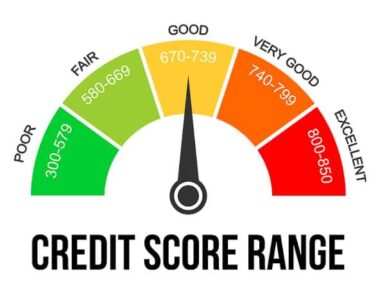
Restructuring may negatively affect the borrower’s credit score, as it signals to future lenders that the borrower has faced financial difficulties.
RESTRUCTURING FEES
Some lenders may charge fees for restructuring loans, which adds to the overall cost of the loan.
CONSEQUENCES OF DEFAULT
Failure to meet the new terms of a restructured loan could lead to more severe consequences, such as asset seizure or legal action.
CONCLUSION
Loan restructuring can be a valuable tool for borrowers in Nigeria who are facing financial difficulties.
It offers a way to reduce repayment pressure and avoid default while maintaining financial stability.
However, it is important to weigh the pros and cons, seek professional advice, and fully understand the terms of any new loan agreement.
FREQUENTLY ASKED QUESTIONS (FAQs)
Q. What are the requirements for loan restructuring?
A. Proof of financial hardship, proof of income, and lender’s approval.
Q. How long does the restructuring process take?
A. It varies by lender but usually takes a few weeks.
Q. Will restructuring affect my credit score?
A. Yes, loan restructuring may negatively impact your credit score, but it helps avoid the more significant damage caused by loan default.
Advertisements

 Cristiano Sanchez