Cristiano Sanchez
Advertisements
Emergency loans have become a vital financial lifeline for many Nigerians, providing a quick relief during unexpected financial crises.

In this article, we will discuss what emergency loans in Nigeria as well as their importance, and any other information that you need to know if you are seeking loans to solve your emergency pressing needs.
WHAT ARE EMERGENCY LOANS IN NIGERIA?
Emergency loans, also known as quick loans or instant loans in Nigeria, are short-term financial solutions designed to help individuals and businesses address unexpected expenses or financial emergencies.
Advertisements
These loans are typically characterized by their fast disbursement, easy application process, and flexible repayment terms.
WHY ARE EMERGENCY LOANS IMPORTANT IN NIGERIA?
Nigeria’s economic reality today is uncertain and unpredictable, any pressing financial need can come up anytime, this is where emergency loans become very important financial tools for many to survive.
Some of the reasons why emergency loans are important in Nigeria include but are not limited to the following:
Advertisements
UNFORESEEN EXPENSES
Emergency loans help individuals and businesses cover unexpected expenses, such as medical bills, car repairs, or home maintenance.
FINANCIAL EMERGENCIES
Emergency loans provide a financial safe haven during times of crisis, such as job loss, business failure, or natural disasters.
LIMITED ACCESS TO CREDIT
Emergency loans offer an alternative source of funding for individuals and businesses with limited access to traditional credit channels.
HOW CAN EMERGENCY LOANS BENEFIT NIGERIAN LOAN SEEKERS?
Emergency loans can be very valuable to Nigerian loan seekers, offering several benefits which include the following:
QUICK ACCESS TO FUNDS
Emergency loans provide fast disbursement, ensuring that individuals and businesses can access funds quickly during financial emergencies.
EASY APPLICATION PROCESS
Emergency loan applications are often straightforward, with minimal documentation required.
FLEXIBLE REPAYMENT TERMS
Emergency loans offer flexible repayment terms, allowing individuals and businesses to repay loans at their convenience.
TYPES OF EMERGENCY LOANS IN NIGERIA
Emergency loans come in various forms, each catering to specific financial needs and situations. The following are the different types of emergency loans in Nigeria today:
PERSONAL EMERGENCY LOANS
Personal emergency loans are designed for individuals facing unexpected expenses or financial challenges. These loans are usually unsecured, with flexible repayment terms and minimal documentation required.
BUSINESS EMERGENCY LOANS
Business emergency loans provide financial support to entrepreneurs and small business owners during times of crisis. These loans can be used to cover operational costs, pay employees, or address unexpected business expenses.
MEDICAL EMERGENCY LOANS
Medical emergency loans cater to individuals facing unexpected medical expenses, such as hospital bills, surgery costs, or prescription medication. These loans offer quick access to funds, ensuring timely medical treatment.
EDUCATIONAL EMERGENCY LOANS
Educational emergency loans provide financial assistance to students facing unexpected educational expenses, such as tuition fees, accommodation costs, or textbook purchases.
TRAVEL EMERGENCY LOANS
Travel emergency loans offer financial support to individuals facing unexpected travel-related expenses, such as flight cancellations, medical emergencies abroad, or travel document replacement.
HOME IMPROVEMENT EMERGENCY LOANS
Home improvement emergency loans provide financial assistance for unexpected home repairs, renovations, or maintenance costs.
WEDDING EMERGENCY LOANS
Wedding emergency loans offer financial support for couples facing unexpected wedding expenses, such as venue changes, catering costs, or wedding dress expenses.
FUNERAL EMERGENCY LOANS
Funeral emergency loans provide financial assistance for individuals facing unexpected funeral expenses, such as burial costs, funeral services, or obituary expenses.
CAR REPAIR EMERGENCY LOANS
Car repair emergency loans offer financial support for individuals facing unexpected car repair costs, such as engine failure, transmission problems, or accident damage.
FEATURES OF EMERGENCY LOANS IN NIGERIA
Emergency loans in Nigeria offer a range of features that make them an attractive option for individuals and businesses facing financial crises. These features include the following:
QUICK DISBURSEMENT
Emergency loans are designed to provide fast access to funds, with disbursement times ranging from a few hours to 24 hours. This quick disbursement enables loan seekers to address financial emergencies as quickly as possible.
EASY APPLICATION PROCESS
The application process for emergency loans is usually straightforward, with minimal documentation required. This ease of application makes it simpler for loan seekers to access funds during financial crises.
FLEXIBLE REPAYMENT TERMS
Emergency loans offer flexible repayment terms, allowing loan seekers to repay loans at their convenience. This flexibility helps reduce the burden of debt and makes loan repayment more manageable.
HIGH INTEREST RATES
Emergency loans often come with high interest rates, which can increase the overall cost of borrowing. Loan seekers should carefully consider these rates and terms before borrowing.
UNSECURED LOANS
Most emergency loans are unsecured, meaning they do not require collateral or guarantors. This feature makes emergency loans more accessible to individuals and businesses without assets to pledge.
NO COLLATERAL REQUIRED
The absence of collateral requirements makes emergency loans more appealing to loan seekers who lack assets to pledge.
NO GUARANTORS REQUIRED
Emergency loans do not require guarantors, making it easier for individuals and businesses to access funds without relying on third-party guarantees.
MINIMAL DOCUMENTATION
Emergency loans require minimal documentation, reducing the application process and administrative burden on loan seekers.
24/7 AVAILABILITY
Many emergency loan providers offer 24/7 availability, enabling loan seekers to access funds at any time.
ELIGIBILITY REQUIREMENTS FOR EMERGENCY LOANS IN NIGERIA
Emergency loans in Nigeria offer a financial lifeline for individuals and businesses facing unexpected expenses or financial crises. However, to access these loans, loan seekers must meet specific eligibility requirements, and they are as follows:
AGE REQUIREMENT
Most emergency loan providers in Nigeria require loan seekers to be at least 18 years old to qualify for a loan.
INCOME REQUIREMENT
Loan seekers must have a stable income source, with a minimum monthly income of ₦50,000 to ₦200,000, depending on the lending institution.
EMPLOYMENT REQUIREMENT
Employed individuals must have a minimum of 6-12 months of continuous employment with their current employer.
SELF-EMPLOYMENT REQUIREMENT
Self-employed individuals must provide proof of business ownership and a minimum of 12-24 months of continuous business operation.
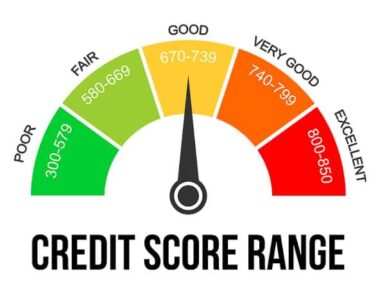
CREDIT SCORE REQUIREMENT
Some lenders may consider credit scores, but many emergency loan providers in Nigeria offer credit score flexibility or no credit checks.
IDENTIFICATION REQUIREMENT
Loan seekers must provide valid government-issued identification, such as a national ID card, driver’s license, voter’s card or international passport.
RESIDENCY REQUIREMENT
Loan seekers must be resident in Nigeria and provide proof of residency, such as a utility bill or tenancy agreement.
BANK ACCOUNT REQUIREMENT
Loan seekers must have an active bank account in their name, as loan disbursement and repayment are usually done through bank transfers.
GUIDE ON HOW TO APPLY FOR EMERGENCY LOANS IN NIGERIA
The following is a step-by-step guide on how to apply for emergency loans in Nigeria, ensuring loan seekers can access quick and convenient financial solutions:
CHOOSE A REPUTABLE LENDER
Research and select a reputable emergency loan provider in Nigeria, conside CHECK ELIGIBILITY CRITERIA ring factors such as interest rates, loan terms, and customer reviews.
CHECK ELIGIBILITY CRITERIA
Verify that you meet the lender’s eligibility criteria, including age, income, employment, and credit score requirements.
GATHER REQUIRED DOCUMENTS
Collect necessary documents, such as identification, proof of income, bank statements, and employment letters.
SUBMIT APPLICATION
Submit your application online or in-person, providing accurate and complete information.
WAIT FOR APPROVAL
Wait for the lender to review and approve your application, within about 24 hours.
RECEIVE LOAN DISBURSEMENT
Receive loan disbursement directly into your bank account.
REPAY LOAN
Repay the loan according to the agreed-upon terms, avoiding late payment penalties.
RISKS AND CONSIDERATIONS OF EMERGENCY LOANS IN NIGERIA
While emergency loans in Nigeria offer a financial lifeline for individuals and businesses facing unexpected expenses or financial crises, they also come with potential risks and considerations. The potential downsides of emergency loans in Nigeria are as follows:
HIGH INTEREST RATES
Emergency loans in Nigeria often come with high interest rates, increasing the overall cost of borrowing.
DEBT TRAP
Failing to repay emergency loans on time can lead to a debt trap, making it challenging to escape the cycle of debt.
CREDIT SCORE IMPACT
Defaulting on emergency loans can negatively impact credit scores, reducing loan seekers’ creditworthiness.
FEES AND CHARGES
Emergency loans may come with additional fees and charges, such as origination fees, late payment fees, and processing fees.
OPTION OVERLOAD
The numerous emergency loan options available in Nigeria can lead to option overload, making it challenging for loan seekers to choose the best option.
SECURITY RISKS
Providing personal and financial information online can pose security risks, making loan seekers vulnerable to identity theft and fraud.
BORROWING FROM UNLICENSED LENDERS
Borrowing from unlicensed lenders can lead to financial exploitation, as these lenders often operate outside regulatory frameworks.
LACK OF TRANSPARENCY
Some emergency loan providers in Nigeria may lack transparency in their loan terms and conditions, making it challenging for loan seekers to understand the loan agreement.
CONCLUSION
Please be aware that this article is not a surefire way to source for emergency loans in Nigeria and that we are not affiliated to any loan company in the country.
Ensure that you check with the lending company to know what their terms and conditions really are.
These steps we provided in this article are guidelines that will help you when seeking for your own emergency loan and they are purely for informational purposes only.
Also, to access emergency loans in Nigeria, please be advised to compare interest rates and loan terms from multiple lenders, make sure to read and understand loan agreements before signing.
Repay loans on time to avoid damaging credit scores and consider loan consolidation or refinancing options.
Advertisements

 Cristiano Sanchez