Cristiano Sanchez
Advertisements
Cryptocurrency, a decentralized form of digital currency powered by blockchain technology, has gained global prominence in recent years.

It has introduced a new way of transferring value, free from the control of central authorities such as banks and governments.
From Bitcoin to Ethereum, and now newer tokens like Solana and Cardano, cryptocurrencies have revolutionized the financial terrain, creating opportunities for investors, businesses, and tech enthusiasts alike.
Advertisements
However, as with any form of innovation, its growth raises legal questions, especially in regions where the financial infrastructure and regulations are still evolving.
In Nigeria, cryptocurrency has seen a sharp rise in popularity due to various factors. First, a large population of young, tech-savvy individuals finds crypto attractive for trading, investing, and hedging against inflation.
Additionally, it offers an opportunity for financial inclusion for those without access to traditional banking systems.
Advertisements
But while many Nigerians are increasingly engaging with cryptocurrency, it is vital to understand its legal status and the risks associated with its use.
CURRENT LEGAL STATUS OF CRYPTOCURRENCY IN NIGERIA
The legal status of cryptocurrency in Nigeria remains a topic of significant debate and complexity. As of now, Nigeria does not formally recognize cryptocurrency as legal tender.
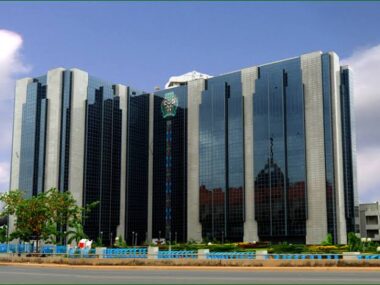
This position has been made clear by the Central Bank of Nigeria (CBN), which issued a directive in February 2021, prohibiting financial institutions from facilitating cryptocurrency transactions.
This directive effectively shut down the ability of Nigerian banks to support crypto-related activities, creating a significant hurdle for crypto users.
The CBN’s rationale for its stance is based on concerns about the risks associated with cryptocurrencies, including their use in criminal activities such as money laundering and fraud.
The decentralized and anonymous nature of cryptocurrencies makes them difficult to regulate, which has heightened concerns among regulators.
Despite these challenges, Nigerians continue to adopt cryptocurrencies, often finding workarounds to the banking restrictions, such as peer-to-peer (P2P) transactions.
This tension between the rising demand for crypto and regulatory pushback makes it essential to understand the country’s broader regulatory framework surrounding cryptocurrency.
REGULATORY ENVIRONMENT FOR CRYPTOCURRENCY IN NIGERIA
The regulatory environment for cryptocurrency in Nigeria is still evolving, but several key institutions play a role in shaping its future.
The Central Bank of Nigeria (CBN) is at the forefront of this issue, maintaining that its ban on cryptocurrency-related banking activities is designed to protect the financial system.
Nevertheless, the CBN has been working on developing a framework for digital currencies, including the launch of the eNaira, a Central Bank Digital Currency (CBDC), which serves as a government-backed alternative to private cryptocurrencies.
Another important regulator in Nigeria’s crypto space is the Securities and Exchange Commission (SEC).
In 2020, the SEC issued a statement indicating its intent to regulate cryptocurrency and other digital assets as securities, stating that any form of crypto transaction or investment would fall under its jurisdiction.
The SEC emphasized that digital assets would be classified and regulated depending on their characteristics, whether they represent shares, debts, or commodities.
This distinction is important, as it sets the foundation for how crypto projects and investors may need to navigate the market.
The ongoing dialogue between the SEC and CBN suggests that while the outright ban on banking for cryptocurrency remains in place, regulators are looking at ways to ensure that the ecosystem can be safely regulated and monitored without stifling innovation.
LEGAL IMPLICATIONS OF USING CRYPTOCURRENCY IN NIGERIA
Despite the restrictions imposed by the CBN, it is not illegal for Nigerians to buy, sell, or use cryptocurrency.
However, the way these activities are conducted, and their compliance with existing laws, is essential for avoiding legal trouble.
Individuals and businesses involved in cryptocurrency transactions must be aware of the legal implications.
One of the primary concerns for users is the lack of legal protection in the event of disputes or fraud.
Since cryptocurrency transactions occur outside the traditional financial system, users cannot rely on Nigerian laws for remedies.
If a crypto transaction goes wrong, the chances of recovering lost funds are slim.
Another critical aspect is taxation. Although the Nigerian government has not yet provided specific guidelines on taxing cryptocurrency transactions, general tax laws still apply.
Gains from crypto investments or profits from trading activities may be subject to capital gains tax, which could lead to penalties if not declared.
Given the increasing focus on digital finance, the Nigerian Federal Inland Revenue Service (FIRS) is expected to clarify these tax implications in the near future.
RISKS AND CHALLENGES
The rapid adoption of cryptocurrency in Nigeria also brings several risks and challenges that users must consider, and they are as follows:
VOLATILITY
Cryptocurrencies are highly volatile. Prices can swing dramatically in a short period, leading to significant financial losses. Nigerians who invest in cryptocurrencies need to be prepared for this unpredictability.
SECURITY
Cryptocurrency exchanges and wallets are often targeted by hackers. There have been several reports of individuals losing large sums of money to hacking incidents.
With no centralized institution to provide guarantees, the responsibility for securing assets falls entirely on users.
REGULATORY NON-COMPLIANCE
Failure to comply with evolving regulations could have severe consequences. Nigerian authorities have shown a willingness to crack down on crypto activities they deem illegal.
For instance, there have been reports of bank accounts being frozen due to suspected cryptocurrency transactions.
FUTURE OF CRYPTOCURRENCY IN NIGERIA
Looking ahead, the future of cryptocurrency in Nigeria is uncertain but filled with potential. Several developments may influence how the regulatory environment evolves and how the Nigerian government interacts with the burgeoning crypto market.
One possibility is the continued growth of the peer-to-peer (P2P) market. As banks are restricted from facilitating cryptocurrency transactions, P2P platforms have stepped in to fill the void.
This method allows users to trade directly with each other, bypassing traditional banking channels. As the demand for crypto increases, these platforms could become even more significant.
In the long term, the Nigerian government may need to take a more nuanced approach to regulation.
Balancing the need for innovation and protecting the financial system is a complex task, but Nigeria’s involvement in blockchain technology and digital finance may push regulators towards more flexible frameworks.
Additionally, international trends will likely influence Nigeria’s policies. As countries around the world begin to develop regulatory frameworks for cryptocurrency, Nigeria may adopt some of these best practices.
CONCLUSION
Cryptocurrency represents a significant shift in the financial environment, offering both opportunities and challenges.
In Nigeria, its rapid rise has been met with cautious skepticism by regulators, particularly the Central Bank of Nigeria.
Although the legal framework remains restrictive, the involvement of the Securities and Exchange Commission points towards a more structured regulatory environment in the future.
For Nigerians, the legal status and potential risks associated with cryptocurrency is essential need to be understood.
Engaging in cryptocurrency transactions without fully grasping the implications could lead to unintended legal or financial consequences.
However, with proper knowledge, individuals and businesses can find their way through while benefiting from the innovation that cryptocurrencies bring.
As the market evolves and the government fine-tunes its policies, Nigeria could eventually emerge as a key player in the global cryptocurrency ecosystem.
For now, the regulatory future remains uncertain, making it important for stakeholders to stay informed and prepared.
Advertisements


 Cristiano Sanchez