Cristiano Sanchez
Advertisements
Nigeria’s financial system relies on oversight, stability, and transparency to thrive.
At the heart of this system lies a network of regulatory bodies tasked with maintaining order, preventing misconduct, and ensuring the growth of financial institutions.
These bodies uphold the integrity of the nation’s economy by enforcing laws and supervising financial operations.
Advertisements
Below is a comprehensive guide to the financial regulatory bodies in Nigeria as of 2026, their roles, and their impact on the economy.
FINANCIAL REGULATORY BODIES IN NIGERIA: THE FULL LIST
These are all the financial regulatory bodies in Nigeria today and their functions:
CENTRAL BANK OF NIGERIA (CBN)
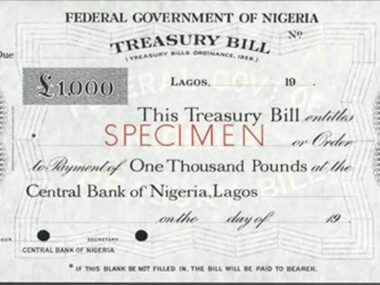
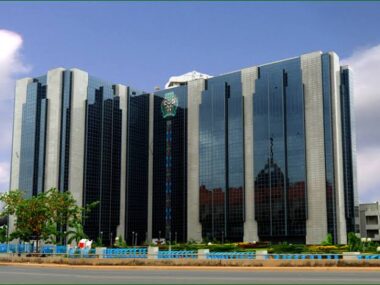
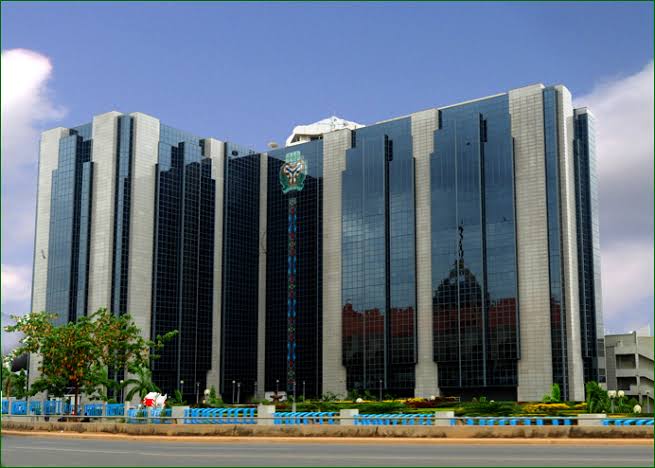
The Central Bank of Nigeria (CBN) is the apex regulator of the country’s financial system.
Advertisements
Established by the CBN Act of 1958 and operational since July 1, 1959, it plays a pivotal role in ensuring monetary stability and fostering a sound financial system.
The CBN regulates commercial banks and financial institutions, acts as a banker to the Federal Government, and manages the issuance of currency.
It also serves as the lender of last resort to banks, safeguarding the financial sector against potential crises.
Over the years, the CBN has remained instrumental in driving economic growth and expanding financial inclusion across Nigeria.
SECURITIES AND EXCHANGE COMMISSION (SEC)
The Securities and Exchange Commission (SEC) is the principal regulator of Nigeria’s capital markets.
Tasked with maintaining a fair, transparent, and efficient market, the SEC ensures that investments are safeguarded from fraudulent practices.
It monitors securities transactions, prevents insider trading, and enforces regulations that promote investor confidence.
The SEC strengthens Nigeria’s economy and encourages foreign and local investments by fostering orderly dealings in the stock market.
FINANCIAL REPORTING COUNCIL OF NIGERIA (FRC)
The Financial Reporting Council (FRC) enforces high standards in financial reporting and accounting across Nigeria.
Established in 2011 under the FRC Act, the council ensures that public and private organizations maintain transparency in their financial statements.
This regulatory body sets guidelines for financial reporting, enabling stakeholders to trust the financial data presented by various institutions.
The FRC’s work is vital for promoting accountability and reliability within Nigeria’s economic framework.
NIGERIAN DEPOSIT INSURANCE CORPORATION (NDIC)
The Nigerian Deposit Insurance Corporation (NDIC) was established in 1989 to bolster public confidence in Nigeria’s banking sector.
Independent of the Central Bank of Nigeria, the NDIC provides deposit insurance, safeguarding depositors’ funds in the event of a bank failure.
It also examines the books and operations of insured banks to ensure compliance with regulations.
Through its efforts, the NDIC minimizes risks in the banking system and enhances financial stability.
FEDERAL MORTGAGE BANK OF NIGERIA (FMBN)
The Federal Mortgage Bank of Nigeria (FMBN) oversees the mortgage finance industry, ensuring that Nigerians have access to affordable housing.
Initially formed as the Nigerian Building Society, it became the apex regulatory body for housing finance following the adoption of the National Housing Policy in 1990.
The FMBN licenses and supervises primary mortgage institutions while conducting research to address housing challenges nationwide.
Its work is crucial in bridging the housing deficit and promoting sustainable urban development in Nigeria.
FEDERAL INLAND REVENUE SERVICE (FIRS)
The Federal Inland Revenue Service (FIRS) is Nigeria’s foremost tax authority, responsible for collecting taxes on behalf of the federal government.
Its duties include assessing taxable entities, enforcing compliance with tax laws, and combatting tax evasion.
By ensuring steady revenue generation, the FIRS supports the funding of essential public services and infrastructure projects, thereby contributing to national development.
FINANCIAL SERVICES REGULATION COORDINATING COMMITTEE (FSRCC)
The Financial Services Regulation Coordinating Committee (FSRCC) was created to harmonize the efforts of Nigeria’s financial regulatory bodies.
It addresses overlapping concerns among agencies, ensuring consistency in policy implementation and fostering collaboration within the financial sector.
NATIONAL INSURANCE COMMISSION (NAICOM)
The National Insurance Commission (NAICOM) regulates Nigeria’s insurance industry, ensuring that policyholders and stakeholders are protected.
Established in 1997 under the NAICOM Act, it supervises the licensing of insurance companies, enforces ethical practices, and oversees the resolution of disputes in the sector.
NAICOM’s role is critical in building trust and promoting growth within the insurance market.
NATIONAL PENSION COMMISSION (PENCOM)
The National Pension Commission (PENCOM) oversees the management of pension funds in Nigeria, ensuring that retirees receive their benefits as planned.
Governed by the Pension Reform Act, PENCOM enforces regulations to promote transparency and accountability in pension administration.
Its work guarantees financial security for workers in retirement, enhancing the overall well-being of Nigeria’s workforce.
CONCLUSION
Nigeria’s financial regulatory bodies serve as the backbone of its economy, ensuring stability, transparency, and confidence within the financial sector.
From the Central Bank of Nigeria’s oversight of monetary policies to PENCOM’s assurance of a secure retirement, these institutions play indispensable roles in safeguarding the nation’s economic integrity.
Their collective efforts create a resilient financial landscape that encourages investments, fosters growth, and supports the aspirations of millions of Nigerians.
As the financial world evolves, these agencies remain steadfast in their mission to uphold ethical practices and maintain stability in the face of new challenges.
Advertisements

 Cristiano Sanchez