Cristiano Sanchez
Advertisements
Taking a loan can be a lifeline during tough times or the stepping stone to achieving your dreams, whether it’s starting a business, paying for education, or handling an emergency.

But before you dive into borrowing, it’s essential to understand the terrain. Loans, while helpful, can also lead to financial stress if approached without preparation or knowledge.
This guide will walk you through ten key things you need to know before taking a loan in Nigeria, empowering you to make informed decisions and avoid potential pitfalls.
Advertisements
10 IMPORTANT THINGS TO KNOW BEFORE TAKING A LOAN IN NIGERIA
The following are the top 10 things you should know before you take a loan in Nigeria today:
UNDERSTAND THE DIFFERENT TYPES OF LOANS
The first step in taking a loan is understanding the options available to you. In Nigeria, loans come in various types tailored to meet different needs:
- Personal loans are great for individual expenses like medical bills or school fees.
- Business loans are designed for entrepreneurs looking to start or grow their businesses.
- Microfinance loans cater to small businesses and low-income earners who may not qualify for traditional bank loans.
- Payday loans are short-term loans meant to be repaid by your next paycheck, making them ideal for urgent needs.
- Cooperative loans are offered by cooperative societies to their members, often at lower interest rates.
Choosing the right type of loan is very important. For instance, if you’re starting a business, a business loan is more suitable than a personal loan.
Advertisements
Mastering what each type offers will help you avoid borrowing the wrong way.
KNOW YOUR CREDITWORTHINESS
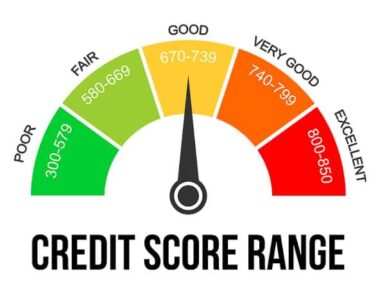
In Nigeria, your creditworthiness significantly impacts whether you’ll be approved for a loan and the interest rate you’ll be offered.
Lenders assess this by examining your financial history, including how well you’ve handled previous debts.
To get started, check your credit report with agencies like the Credit Bureau Association of Nigeria (CBAN).
If your credit score is low, take steps to improve it—pay off existing debts, avoid defaulting on bills, and maintain a stable income stream.
A strong credit profile not only boosts your chances of getting a loan but also allows you to negotiate better terms, such as lower interest rates.
EVALUATE THE INTEREST RATES
Interest rates are perhaps the most important factor to consider when taking a loan, as they directly impact how much you’ll repay.
There are two types of interest rates to watch out for: fixed and variable. Fixed rates stay the same throughout the loan term, making your repayments predictable.
Variable rates, on the other hand, fluctuate based on market conditions and can either save or cost you more money.
For example, let’s say you take a loan of ₦1,000,000 at a 20% interest rate. This means you’ll repay ₦1,200,000 (excluding other fees).
Learning how interest rates work will help you choose a loan that aligns with your budget.
ASSESS THE LOAN REPAYMENT TERMS
Before signing on the dotted line, take the time to understand the repayment terms.
These include the duration of the loan, how frequently you’ll need to make payments, and what happens if you miss a payment.
Ask your lender key questions: What penalties apply if you’re late? Are there fees for early repayment?
Can you extend the repayment period if needed? Knowing the answers will help you avoid surprises down the line.
Remember, defaulting on a loan can lead to severe consequences, including legal action and a damaged credit score.
Ensure the repayment plan fits comfortably within your financial capabilities.
WATCH OUT FOR HIDDEN CHARGES
Hidden charges can make what seemed like an affordable loan far more expensive.
Be on the lookout for processing fees, insurance premiums, and administrative costs, which are often buried in the terms and conditions.
For instance, some lenders deduct a processing fee upfront, meaning you’ll receive less money than you applied for.
To avoid unpleasant surprises, ask for a detailed breakdown of all charges before committing. Transparency is key—if something doesn’t add up, don’t hesitate to question it.
UNDERSTAND THE PURPOSE OF THE LOAN
It might sound obvious, but it’s worth emphasizing: don’t take a loan without a clear purpose.
Borrowing without a specific plan can lead to financial trouble and unnecessary stress.
Consider whether the loan will contribute to your growth or solve a pressing need.
For example, using a loan to fund a business that generates income is a smart move, while borrowing for luxury items might not be worth the financial burden.
Financial experts often talk about “good debt” versus “bad debt.” Good debt, like funding education or investing in a business, helps you build a better future.
Bad debt, such as borrowing for non-essential expenses, can drag you into a cycle of financial instability.
COMPARE LENDERS BEFORE COMMITTING
Not all lenders are created equal. Before you sign any agreements, take the time to compare different lenders based on their terms, interest rates, and reputation.
Look for lenders that are transparent and offer competitive rates. Reputable options in Nigeria include commercial banks, microfinance institutions, and cooperative societies.
If a lender seems too good to be true, they probably are. Always verify that they’re licensed and regulated by the Central Bank of Nigeria (CBN).
By shopping around, you’ll not only find the best deal but also avoid falling victim to predatory lenders.
UNDERSTAND THE LEGAL AND REGULATORY FRAMEWORK
Speaking of regulation, it’s important to understand the legal framework governing loans in Nigeria.
The Central Bank of Nigeria oversees the industry and sets guidelines to protect borrowers from unfair practices.
Before taking a loan, ensure your lender is licensed by the CBN.
This information is usually available on the CBN’s website.
Borrowing from unregulated lenders can expose you to exorbitant fees, harassment, and even fraud.
Knowing your rights as a borrower will give you the confidence to navigate the process and hold lenders accountable.
CREATE A REPAYMENT PLAN
A loan is a commitment, and having a repayment plan in place is essential to meet that commitment.
Start by evaluating your income and expenses to determine how much you can comfortably allocate to loan repayments each month.
Avoid overborrowing or juggling multiple loans at once—it’s a surefire way to derail your finances.
Tools like loan calculators can help you estimate monthly repayments and plan accordingly.
The goal is to repay your loan on time without compromising other financial obligations.
Discipline and careful budgeting will ensure you stay on track.
BE AWARE OF POTENTIAL RISKS
Taking a loan comes with risks, and being aware of them can save you from financial headaches.
Defaulting on your loan, for example, can result in penalties, legal action, and long-term damage to your credit score.
Additionally, beware of predatory lenders who impose exorbitant fees or resort to illegal collection practices.
If a lender pressures you to sign without fully understanding the terms, it’s a red flag.
The best way to protect yourself is to borrow only what you can repay, read every loan document thoroughly, and seek advice from financial experts if you’re unsure.
CONCLUSION
Taking a loan in Nigeria can be a powerful tool for achieving your financial goals, but it requires careful planning and informed decision-making.
By gaining mastery of the types of loans, evaluating repayment terms, and creating a solid repayment plan, you can borrow responsibly and avoid the common pitfalls of debt.
If you found this guide helpful, share it with friends and family to help them make smarter financial decisions.
Got questions or need more tips? Drop a comment below, and let’s keep the conversation going!
Advertisements

 Cristiano Sanchez